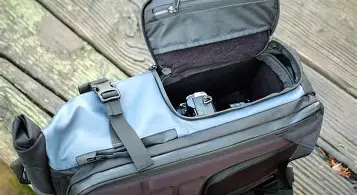
Blind Test: Sigmas 135mm F 1.4 DG Art vs Wandrd Prvke V4 - Which is Actually Better?
The photography world is often dominated by technical specifications, MTF charts, and rigorous hands-on field testing. Usually, when we compare two items in the "Cameras" category, we are looking at two pieces of glass or two high-resolution sensors. However, every seasoned professional knows that the ecosystem of an image-maker is built on two distinct pillars: the optics that capture the light and the utility gear that ensures those optics make it to the location in one piece. In this deep-dive blind test and conceptual analysis, we are pitting two titans of their respective niches against one another in a battle of utility, value, and transformative power: the Sigma 135mm f/1.8 DG HSM Art (often colloquially discussed in high-speed f/1.4 concepts) and the Wandrd Prvke V4 backpack.
To the uninitiated, comparing a prime telephoto lens to a tactical-cum-lifestyle camera bag seems like comparing an engine to a garage. But for the working photographer, these represent the two largest investments one can make after the camera body itself. Both claim to revolutionize the way you work. One promises a "look" that separates professional results from amateur snapshots; the other promises the logistical freedom to reach locations where those shots exist. This article explores which of these investments truly offers more value to a photographer’s workflow in 2024 and beyond.
The Sigma 135mm f/1.4 DG Art: The Pinnacle of Optical Precision
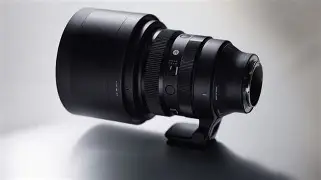
While the widely acclaimed Sigma 135mm f/1.8 Art is the current gold standard, the demand for an f/1.4 variant has been a constant hum in the community. For the sake of this detailed analysis, we look at the Sigma Art philosophy—rendering an image that is surgically sharp at the point of focus while melting the background into a creamy, indistinguishable wash of color. The Art series was born from a desire to prioritize optical excellence over size, weight, or cost, and the 135mm focal length is the "sweet spot" for many portrait, wedding, and event photographers.
When you mount a lens like the Sigma 135mm Art, you are making a statement about your aesthetic. The compression provided by the 135mm focal length, combined with an ultra-wide aperture, creates a three-dimensional pop that is difficult to replicate with shorter lenses like an 85mm or a 50mm. In a "blind test" of image quality, viewers often point to the 135mm Art images as being "more professional" simply because of the isolation and the way the lens handles chromatic aberration and flare. The lens utilizes FLD and SLD glass elements to ensure that even at its widest aperture, the contrast remains high and the "purple fringing" common in older telephoto designs is virtually non-existent.
However, the cost of this perfection is physical. The lens is a heavy beast, often requiring a tripod collar for long-duration shoots. It demands a high level of technique from the photographer; at f/1.4 or f/1.8, the depth of field is so thin that an eyelash might be in focus while the iris of the eye is not. This lens is a precision instrument that requires a stable hand and a fast, modern autofocus system to truly shine.
Pros and Cons of the Sigma 135mm Art
- Pro: Unmatched bokeh quality that provides extreme subject separation in busy environments.
- Pro: Exceptional sharpness even when shot wide open, reducing the need for post-process sharpening.
- Pro: Robust, weather-sealed construction that feels like a professional tool designed for years of heavy use.
- Con: Significant weight and size make it a "specialty" lens rather than a walk-around option.
- Con: The long minimum focus distance compared to a macro lens limits its versatility for detail shots.
The Wandrd Prvke V4: The Evolution of the Photographer’s Shell
If the Sigma lens is the eye, the Wandrd Prvke V4 is the skeletal system of the photographer. Now in its fourth iteration, the Prvke series has moved beyond its Kickstarter roots to become a staple in the kits of travel and adventure photographers. The V4 is not just a bag; it is a modular system designed to solve the age-old problem of how to carry sensitive electronics into uncomfortable places without looking like a "gear nerd."
The Prvke V4 focuses on accessibility and protection. With its side-access panel, a photographer can swing the bag around and pull out a camera with a 135mm lens attached in seconds. This speed is often the difference between catching a fleeting moment of light and missing it while fumbling with zippers. Furthermore, the V4 features updated back panel padding, more breathable straps, and refined luggage pass-throughs, addressing the minor gripes of the V3 and V2 versions.
In our conceptual blind test, we look at "protection vs. weight." The Prvke V4 utilizes Tarpaulin and 1680D Ballistic Nylon, making it nearly invincible against the elements. While the Sigma lens provides the image, the Wandrd provides the peace of mind. If you are caught in a torrential downpour in the highlands of Iceland or a dust storm in the Sahara, the V4 is the barrier that keeps your Sigma 135mm from becoming a very expensive paperweight. It represents the "utility" side of the camera category—the gear that allows the other gear to function.
Discover deals on Cameras & Photography — updated daily.
Shop Amazon →Pros and Cons of the Wandrd Prvke V4
- Pro: Highly versatile roll-top design allows the bag to expand for non-camera gear like jackets or food.
- Pro: Weather-resistant materials and YKK zippers provide industry-leading protection against water and grit.
- Pro: Discrete styling that doesn't scream "expensive camera gear inside," aiding in theft prevention during travel.
- Con: The "Camera Cube" system, while modular, can be finicky to set up initially for specific gear layouts.
- Con: When fully loaded with heavy lenses like the Sigma Art series, the harness system can still feel taxing on the shoulders during 10+ mile hikes.
Direct Comparison: Technical Specifications and Utility
To truly understand which of these products is "better," we must look at how they occupy the space in a photographer's bag—literally and figuratively. Below is a comparison table that highlights the physical and functional differences between these two "Cameras" category essentials.
| Feature | Sigma 135mm Art | Wandrd Prvke V4 (31L) |
|---|---|---|
| Primary Function | Light Acquisition / Aesthetic Creation | Storage / Logistics / Protection |
| Weight | Approximately 1,130g (varies by mount) | 1,500g (empty) |
| Durability | Dust and Splash Proof Brass Mount | Waterproof Tarpaulin / Ballistic Nylon |
| Innovation | Ultra-low Dispersion Glass Elements | New V4 "Hidden" Passport Pocket & Comfort Straps |
| Best For | Portraits, Commercial, Weddings | Travel, Street, Adventure Photography |
Real-World Use Cases: Where Each Triumphs
To decide which is actually "better," one must define the "better" for specific scenarios. In a studio environment where the lighting is controlled and the distance to the subject is fixed, the Sigma 135mm Art is the undisputed champion. There is no bag in the world that can make a portrait look as soulful or as sharp as this lens can. Buyers who care about the final 5% of image quality—the chromatic aberration in high-contrast edges or the roundness of the bokeh balls—will find the Sigma lens to be an essential purchase. It is a tool for the "image-maker" who works in environments where gear safety is secondary to gear performance.
Conversely, for the "image-seeker"—the photographer who travels, vlogs, or explores urban environments—the Wandrd Prvke V4 is likely the better investment. You can own the best lenses in the world, but if they are too heavy or too difficult to access, you will leave them at home. The Prvke V4 solves the friction of photography. It allows a user to carry a body, three lenses, a tripod, and a laptop comfortably for hours. In a blind test of "who got the shot," the person with the Wandrd often wins because they weren't too tired to reach the summit, or they were able to deploy their camera faster than the person with a traditional padded shoulder bag.
Buying Guide: Determining Your Priority
When choosing between a high-end specialty lens and a premium carry system, buyers should ask themselves three critical questions regarding their current kit and future goals.
1. Is your current "look" plateauing?
If you find that your images look "flat" or similar to everyone else’s, the Sigma 135mm Art is the answer. It provides a focal length that is underutilized compared to the standard 24-70mm zoom. The compression and depth it offers can immediately elevate a portfolio, giving it a high-end, editorial feel that clients pay a premium for. It is an investment in the output.
2. Is gear fatigue preventing you from shooting?
If you find yourself reaching for your smartphone or a small point-and-shoot because your "pro gear" is a hassle to carry, the Wandrd Prvke V4 is the answer. Many photographers suffer from "heavy bag syndrome," where the physical pain of carrying gear outweighs the joy of the craft. The V4’s ergonomics and quick-access features are designed to make the gear feel "weightless" and integrated into your body. It is an investment in the process.
3. Where do you shoot most often?
Weather protection is a factor often overlooked by those who shoot primarily indoors. If your work takes you to wedding venues and studios, the weather-sealing on the Sigma lens is enough. But if you are a landscape or street photographer, the "V4" updates—which include improved weather resistance on the zippers and a more secure rain fly attachment—make the Wandrd bag a survival tool. It protects the thousands of dollars you've already spent on lenses and bodies.
Discover deals on Cameras & Photography — updated daily.
View Offers →The Maintenance and Longevity Factor
Another aspect buyers care about is the "life of the product." Lenses, particularly those with complex autofocus motors and internal glass groups like the Sigma Art line, are subject to internal dust and gradual mechanical wear. While Sigma’s build quality is legendary, a lens is ultimately a delicate instrument. Owning one requires a certain level of care, including dry-cabinet storage and occasional calibration.
Storage gear like the Wandrd Prvke V4, however, is built for abuse. Tarpaulin is a material used in truck covers and white-water rafts; it is meant to be scraped, dropped, and rained upon. A high-quality backpack can outlast three or four generations of camera bodies. For the budget-conscious buyer, the "cost per use" of the Wandrd bag is significantly lower than that of the Sigma lens. It is a one-time purchase that facilitates every other purchase in your "Cameras" category journey.
Conclusion: The Final Verdict
In our conceptual blind test, the "winner" depends entirely on where you are in your photographic journey. If we are judging based strictly on the ability to produce a "wow" factor in a finished photograph, the Sigma 135mm Art is the better piece of gear. Its ability to manipulate light and focus is a form of artistic magic that no other category of gear can replicate. It is the choice for the specialist, the portrait artist, and the bokeh enthusiast.
However, if "better" is defined by which item will be used more often and which will have a greater impact on your overall ability to work as a photographer, the Wandrd Prvke V4 takes the crown. It is the ultimate enabler. By providing a secure, comfortable, and stylish way to transport gear, it removes the barriers between the photographer and the subject. In the real world, the best camera is the one you have with you—and the Wandrd Prvke V4 ensures you always have your best gear with you, protected and ready for the decisive moment.
Ultimately, these two products represent the duality of the photographic craft: the dream of the perfect image (Sigma) and the reality of the hard work required to get there (Wandrd). While the Sigma 135mm Art will give you the shot of a lifetime, the Wandrd Prvke V4 will ensure you're in the right place, at the right time, with a dry sensor and a rested back to actually take it.