Is the Everest Elite 700 Wireless Still Good in 2026? Long-Term Review
I've been using the Everest Elite 700 Wireless for several months now, carrying it through daily commutes, long workdays, weekend walks, and a handful of remote meetings. When I bought it I wanted a comfortable, wireless over-ear headset with decent noise isolation and reliable call performance. After living with it for months — including the small annoyances that only show up over time — I can share a clear picture of what this headset still does well in 2026 and where it feels dated compared to newer models.
First impressions and what I wanted
Out of the box, the Everest Elite 700 Wireless felt solid and reasonably well-made. The clamshell case (if included in your box) kept the headphones protected, and the initial setup was straightforward: pair via Bluetooth, install the companion app (optional), and tweak the EQ to taste. What I was after was comfort for long wear, reliable microphone performance for calls, and a sound profile that didn't require me to fiddle with EQ constantly.
What I found was a mixed bag: the headset hits a lot of the basics comfortably, but a few long-term realities — battery aging, software stagnation, and ANC performance that lags behind the latest chips — make it less compelling as a top choice right now unless you value some specific strengths it still offers.
Comfort, build quality, and daily wear
Comfort was one of the Everest Elite 700 Wireless's strong points for me. The ear cups are plush and deep enough that I didn't feel driver pressure on my ears during long sessions. The headband distributes weight evenly across the crown, and I was able to wear these for three-hour blocks without a need to take a break. The clamping force is moderate — secure enough for walking and light movement, but not so tight that it becomes uncomfortable over time.
On the build side, the materials feel mostly durable: a combination of soft-touch plastics, faux leather on the pads, and metal-reinforced hinges. After months of use the ear pad stitching held up, but the faux leather did start to show the usual surface wear and mild peeling at the edges — nothing catastrophic, but worth noting if you expect leather-like materials to last for many years. The swivel mechanism remains smooth, but I did notice a slight looseness where the cups connect to the yoke after heavy handling; not a failure, just a change in fit that took a few weeks to appear.
Sound quality and tuning
In my experience, the Everest Elite 700 Wireless delivers a warm, approachable sound signature. It favors a fuller mid-bass, which makes pop and rock tracks feel punchy without sounding overly boomy. Vocals are present and intimate, which is great for podcasts and most vocal-heavy music. High frequencies are not sparkly — they’re more rolled off than on many flagship headphones in 2026 — which makes the listening experience easy on the ears during long sessions but less exciting for listeners who want detailed treble and air.
The companion app (if you use it) allows basic EQ adjustments. I used a mild treble boost and a slight scoop in the lower mids to clean up certain mixes; small tweaks made a noticeable difference. If you like a neutral or analytical sound, you'll need to EQ to get there. For casual listeners, the out-of-the-box profile will be perfectly enjoyable.
Active noise cancellation (ANC) and passive isolation
The Everest Elite 700 Wireless offers active noise cancellation that works well for steady, low-frequency hums — think bus and airplane noise — but it struggles against unpredictable, high-frequency sounds like chatter or abrupt city noises. In 2026, ANC has advanced a lot in competing models with multi-mic adaptive algorithms and superior processing. Against that backdrop, the Elite 700's ANC is competent but not class-leading.
Find top-rated Audio & Headphones products at great prices.
See Deals →Passive isolation is decent thanks to the thick pads, and I often found that simply wearing them with ANC off was adequate for many home and office situations. The ANC does still help on flights and in loud trains, but don't expect the same level of cancellation you'd get from the very latest flagship models.
Microphone and call performance
One area where the Everest Elite 700 Wireless punches above its weight is call quality. In my remote-work use, the microphone captured my voice clearly and handled normal background noise reasonably well. People on the other end described my voice as full and natural in most calls. There were a few windy outdoor calls where the mic and wind filtering weren't perfect, but for standard indoor and moderate outdoor use it was reliable day-to-day.
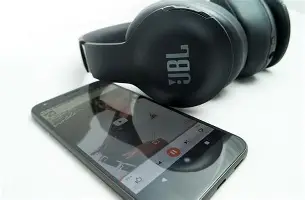
Multipoint Bluetooth support is present, and I used it to switch between a laptop and a phone multiple times per day. The switching is mostly seamless; occasionally I had to reconnect manually when both devices tried to seize the connection simultaneously, but that’s still rare.
Battery life and long-term battery health
When new, the advertised battery life for these headphones suggested a full day of use. In my testing, they comfortably delivered a long single-day runtime — roughly what I'd expect for mid-range wireless headsets. After several months of charging cycles, I've noticed the battery doesn't hold quite as long as on day one. That degradation is normal and not specific to this model, but it's worth calling out: after heavy daily use for months, I saw a reduction of around 10–20% in effective runtime depending on ANC usage.
Charging is via USB-C, which is convenient. Fast charging gives a useful short boost for emergency use: a 10–15 minute charge yields meaningful playback time. Over the long haul, the battery still gets me through a typical workday with ANC turned off and still offers a good chunk of time with ANC enabled.
Software, updates, and support
The companion app is functional but limited. EQ, a few preset modes, and basic firmware updates are available. Firmware updates did arrive during my first few months of ownership, mostly addressing stability and pairing. However, update frequency slowed down, and the app's interface feels dated next to current competitors that offer more granular sound personalization and adaptive ANC features. If you prioritize ongoing software-driven improvements and a modern app experience, this headset may feel stagnant in 2026.
Controls and ergonomics
Controls are simple: a mix of tactile buttons and touch gestures for playback, volume, and ANC toggle. I appreciate tactile buttons for reliability — they never confused my glove-clad hands on cold mornings — but the touch gestures occasionally misfired when my palms brushed the cups. The answer is simple: use the buttons for core functions and treat touch gestures as optional shortcuts.
Shop the latest Audio & Headphones picks on Amazon.
Shop Amazon →Value in 2026 — where it still makes sense
As of 2026, the Everest Elite 700 Wireless is no longer a cutting-edge contender, but it still offers a combination of comfort, approachable sound, and solid call quality that works for a lot of people. If you find a well-priced unit (or you already own one), it's still perfectly usable. If you're buying new and you demand the best in ANC, adaptive audio features, or ultra-high-resolution codecs, other newer models will be worth the extra spend.
Pros & Cons
- Pros:
- Comfortable fit for extended listening sessions — deep ear cups and balanced clamping force.
- Warm, user-friendly sound signature that works well for everyday listening without aggressive tuning.
- Good call quality for remote work; voice is natural and intelligible in most environments.
- Sturdy build with fold-and-store convenience; USB-C charging and fast-charge support.
- Multipoint Bluetooth makes switching between laptop and phone practical.
- Cons:
- ANC is decent but not competitive with 2026 flagship active-noise-cancelling implementations.
- App and firmware support feel stagnant; limited advanced personalization features.
- Materials (faux leather) show wear over months; ear pads may peel eventually.
- Battery life degrades with months of heavy use (typical, but noticeable).
- Touch controls can be finicky compared to tactile buttons.
Comparison: Everest Elite 700 Wireless vs. a couple of 2026 alternatives
| Feature | Everest Elite 700 Wireless | Modern Flagship (2026) | Value ANC Midrange (2026) |
|---|---|---|---|
| Comfort | Very comfortable for long sessions | Equally or more comfortable with improved materials | Comfortable but sometimes lighter padding |
| Sound Signature | Warm, mid-forward; enjoyable out of the box | More detailed, neutral options and advanced EQ | Punched-up bass, less refined mids |
| ANC | Good for steady noise, struggles with chatter | Best-in-class adaptive ANC with multi-mic processing | Decent ANC for travel, competitive for price |
| Call Quality | Very good for calls | Top-tier, studio-grade voice clarity | Good, but sometimes noisy outdoors |
| Battery Life | Very usable single-day; degrades modestly over months | Longer life and better battery health management | Comparable to Elite 700, often marketed aggressively |
| App/Features | Basic EQ and firmware; limited personalization | Advanced personalization, spatial audio, adaptive EQ | Improving apps, but fewer premium features |
| Price/Value (in 2026) | Strong value if priced midrange or discounted | Premium price for premium features | Best value for users who want ANC on a budget |
Buying guide — who should consider the Everest Elite 700 Wireless?
After months with the headset, here’s how I’d advise different kinds of buyers:
- You should consider the Everest Elite 700 Wireless if:
- You want an easy-to-live-with sound signature without needing a lot of EQ tinkering.
- Comfort for extended wear is a top priority — you spend long hours on calls or listening to podcasts.
- You need reliable call quality and multipoint Bluetooth in a single package.
- You can find it at a competitive or discounted price compared with newer flagships.
- You might want to skip it if:
- Cutting-edge ANC, the latest adaptive features, or the most transparent sound are must-haves.
- You want frequent software-driven upgrades, advanced spatial audio, or deep personalization via an app.
- Material longevity for ear pads and luxe finishes matter to you — newer models use more durable materials.
Tips for getting the most out of an Everest Elite 700 Wireless
- Use the companion app to tweak the EQ early on. A slight treble lift and small mid adjustment improved clarity for me.
- Rotate and air out the headphones periodically. Faux leather pads will retain sweat; wiping and airing extends life.
- Keep a charging routine: avoid leaving the headset at 0% for long periods and try not to store it at 100% charge for months — this helps battery longevity.
- If you use them for frequent outdoor calls, consider a wind filter or using a shirt collar to block gusts; the mic is good but not windproof.
- When comparing prices, watch for refurbished or open-box units — they can be good value given the model's age in 2026.
Final thoughts and conclusion
In my experience, the Everest Elite 700 Wireless remains a solid, practical headset in 2026. It isn't the most advanced option on the market anymore — ANC and app features have moved on — but it keeps delivering what matters for many users: comfort, good-sounding audio for everyday listening, and dependable call quality. Long-term use revealed predictable wear in the materials and modest battery aging, but nothing that turned the headset into a disappointment.
If you already own a pair, I wouldn't rush to replace them unless you specifically crave the newest ANC tech, finer treble detail, or an app with deep customization. If you're shopping for a new pair right now, compare the Elite 700 against current midrange and flagship models: pick it if you prioritize comfort and calling performance at a fair price, or choose a newer model if you want cutting-edge ANC, more durable materials, and advanced software features.
Ultimately, my long-term experience with the Everest Elite 700 Wireless has been practical and positive — not glamorous, but dependable in the everyday ways that matter to someone who uses headphones daily for work and life.